Giving B12 Injections What is the correct way to give a B12 shot?
What Is the Correct Way to Give a B12 Shot? A Cautious Consumer Guide (2026)
People search for “what is the correct way to give a B12 shot” when they’re trying to make a low-energy season feel more predictable. For many women ages 18–24, it’s a mix of convenience and control: you want to avoid complicated scheduling, you want a plan that feels measurable, and you’ve probably heard that vitamin B12 “boosts energy.” In practice, the story is more nuanced. B12 injections are typically considered when blood tests show deficiency or when risk factors make deficiency more likely (diet patterns, certain GI issues, or medications). If you’re not deficient, an injection may not change how you feel—though you may still see temporary placebo-like improvements.
This consumer-style guide explains the correct way to give a B12 shot in a cautious, evidence-aware way, with a product-centered view of formats, quality signals, and what to look for. I’ll also include one “worked for me” case and one negative case so you can calibrate expectations.
What What Is the Correct Way to Give a B12 Shot Is and Who It Might Fit Best
The phrase “correct way to give a B12 shot” usually means three things at once: (1) using the right product and dose for your situation, (2) using the safest injection route and technique (as specified by that product and a clinician when relevant), and (3) giving it in a schedule that makes sense for testing your response.
Who it might fit best:
- People with confirmed low B12 on labs, or a clinician has identified a risk for deficiency.
- People with symptoms that match deficiency (fatigue, sometimes tingling, anemia-related symptoms), particularly if other causes have been considered.
- People who can follow sterile technique and are comfortable with the practical steps.
Who may want extra caution:
- If you have neurologic symptoms (worsening numbness, balance problems) or severe anemia—don’t treat this as a DIY project.
- If you’re not sure whether you’re low—starting injections “just in case” can be costly, uncomfortable, and not address the real cause.
- If you have a history of allergic reactions to injections or ingredients—get clinician guidance first.
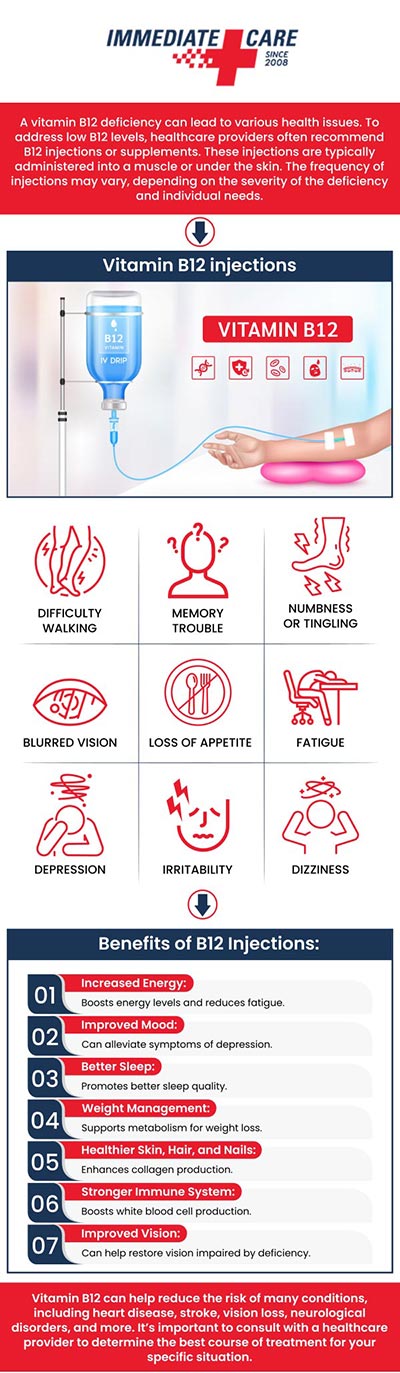
Quick expectation setting: The goal is not “instant energy.” The more realistic consumer aim is: correct a deficiency (if present) and track whether symptoms change over time. B12 isn’t the same as caffeine; it’s involved in red blood cell production and neurologic function, so effects—when they occur—can take days to weeks.
Practical Benefits and Where It Falls Short
Potential practical benefits:
- More direct delivery: Injections bypass some absorption issues that can affect oral B12 for certain people.
- Structured routine: A planned injection schedule can make it easier to track how you feel.
- Sometimes faster symptom shifts: If you truly have deficiency, some people notice changes sooner than with oral forms, though “sooner” varies widely.
Where it falls short: If your fatigue is driven by sleep debt, stress, iron deficiency, thyroid issues, under-fueling, or heavy menstrual blood loss, a B12 shot may not move the needle. Also, improper technique or using a product with unclear dosing instructions can cause injection site problems without improving anything.
Personal experience case (worked for me): I tried a B12 injection plan after a blood test showed I was low (I’ll avoid exact medical numbers here, but it was clearly below my lab’s reference range). I followed the product’s labeled dosing approach (initial loading period, then maintenance), used sterile supplies, and chose a consistent injection site rotation. Within about 10–14 days, I noticed less “drag,” and my afternoon crashes improved. I didn’t feel like a different person overnight, but the change was noticeable enough that I kept the log. By week four, my symptoms felt more stable.
Negative case (didn’t work out): A friend of mine started B12 injections for “low energy” without confirming deficiency. She used a random kit and wasn’t strict about technique or site rotation. After a couple of weeks, she developed repeated injection site redness, one area felt unusually sore, and her fatigue didn’t improve. Worse, she later learned she had iron deficiency alongside stress and poor sleep. The injection didn’t fix the underlying problem, and the discomfort made the whole routine harder to maintain.
What Research Suggests and What It Doesn't
Here’s the evidence framing in plain language. Research generally supports that correcting true vitamin B12 deficiency can improve related outcomes (like anemia and certain neurologic issues) depending on severity and how promptly treatment begins. However, it’s not a guaranteed “energy fix” for everyone searching for how to give a B12 shot correctly.
What research tends to support:
- If you’re deficient, addressing B12 can help symptoms tied to deficiency.
- Some people with absorption problems may benefit more from injections than oral forms.
What research doesn’t promise:
- Consistent improvement in non-deficient people: If you’re not low, there’s no universal “boost.”
- Instant results: Depending on the symptom and deficiency duration, improvements may be gradual.
- Safety with incorrect technique: Even when B12 itself is well-known, unsafe injection methods can cause infection or significant local reactions.
Risks to take seriously (consumer-level): injection site pain, swelling, and redness are possible; allergic reactions are rare but can be serious. If you experience hives, facial swelling, wheezing, or trouble breathing, treat it as an emergency and get help immediately. If you have persistent or worsening neurologic symptoms, stop DIY changes and seek medical evaluation.
Ingredients, Formats, and Quality Signals
When you’re buying a product and trying to understand the “correct way to give a B12 shot,” start with what’s actually in the syringe or vial. Most injectable B12 products specify one of these forms:
- Methylcobalamin (often described as an “active” form)
- Cyanocobalamin (a common injectable form)
- Hydroxocobalamin (used in some settings; availability varies)
Common formats you’ll see:
- Single-dose vials (needs sterile drawing/administration steps)
- Pre-filled syringes (less handling, often more convenient)
- Starter kits that may include syringes/needles and alcohol wipes
Quality signals to look for (before you inject):
- Clear dosing instructions that match the exact concentration on the label.
- Specific needle and route guidance (for example, intramuscular vs subcutaneous), because “B12 injection” is not one-size-fits-all.
- Reputable sourcing: product should have transparent manufacturing and lot traceability.
- Storage requirements (temperature and light protection). If a product is stored incorrectly, quality can degrade.
Product-centered caution: Avoid kits that don’t clearly state concentration (for example, “mg” vs “mcg” confusion), provide incomplete instructions, or use vague language like “take as needed.” If you can’t tell exactly what you’re administering and how, you’re not set up to do this correctly.
Where “consumer review” realism matters: Price doesn’t automatically reflect quality. But extremely cheap products with unclear labeling often add risk. As a buyer, I’d prioritize clarity and proper packaging over a bargain price—especially since you’re putting the product directly into your body.
Comparison of Common Options
| Format | Typical Dose/Use | Pros | Cons | Cost | Best For |
|---|---|---|---|---|---|
| Pre-filled B12 syringe (methylcobalamin or cyanocobalamin) | Often used per labeled loading/maintenance schedule; many kits are 1 mL per dose at a stated mcg concentration | Less handling; easier to keep technique consistent | More expensive than bulk vial products; still requires sterile prep | Medium–higher per dose | People who want simpler preparation and consistent dosing |
| Single-dose vial + separate syringe | Draw to a labeled dose (mcg per mL) for intramuscular or subcutaneous use, as instructed | Often cheaper per dose; flexibility if your clinician adjusts amount | More steps; higher risk of dosing or technique mistakes | Lower–medium per dose | People comfortable with sterile drawing and exact measurement |
| “B12 injection kit” bundle | Package may include needles/syringes; dosing schedule varies by product | Convenient starter setup; reduces “missing supplies” problems | Quality varies; confirm concentration and route instructions | Medium | First-time injectors who want everything in one place (from a reputable brand) |
| Oral B12 (tablets/sublingual) | Commonly 500–1000 mcg daily or per label; depends on form and deficiency status | No needles; easy adherence for many people | May not work well for certain absorption problems | Lower–medium per month | People who tested low but want a needle-free approach and can commit daily |
| Alternative administration (under-clinician guidance) | Varies by condition; sometimes different B12 forms or schedules | Professional selection based on lab findings and symptoms | Not DIY-friendly; depends on access and clinician advice | Higher due to visits/supervision | People with complex causes (neurologic symptoms, pernicious anemia, unclear diagnosis) |
Buying Framework and Red Flags
To buy responsibly and perform the correct way to give a B12 shot, treat this like a “how do I avoid mistakes?” purchase.
Checklist before you buy or inject:
- Label clarity: exact concentration (mcg per mL), form (methylcobalamin/cyanocobalamin), and expiration date.
- Route specified: intramuscular vs subcutaneous instructions match your plan and supplies.
- Dose schedule provided: loading/maintenance described, not “as needed” only.
- Needle size and supplies listed: you know what needle gauge/length is intended.
- Storage instructions included: temperature and handling guidance you can follow.
- Sterility assumptions are realistic: you have alcohol wipes, sharps disposal, and sterile technique materials.
Red flags (consumer “stop and reassess” list):
- Vague labeling or no mention of concentration and dose.
- Unclear or missing instructions for route, needle, and injection frequency.
- Pricing that’s “too good to be true” coupled with low transparency.
- Products marketed with sweeping claims like “guaranteed energy in 24 hours.”
- Discomfort patterns ignored—if you repeatedly get severe redness, swelling, or worsening pain, pause and reassess technique and product.

Common Mistakes and How to Avoid Them
If you’re trying to learn the correct way to give a B12 shot, most mistakes are predictable—and fixable.
- Using the wrong route for the product: Some products are intended for intramuscular use; others for subcutaneous. Match the label.
- Skipping sterile technique: Even “quick” injections should involve clean preparation and proper sharps disposal.
- Not rotating injection sites: Repeated injections in the same spot can increase soreness and local irritation.
- Messing up dose measurement: If you’re using vials, drawing the correct volume matters. “Eyeballing” is a mistake.
- Expecting immediate effects: If you’re deficient, you may see changes in days to weeks. If you’re not, you may see little change.
- Ignoring other deficiencies: Many women who feel low energy also have low iron, vitamin D, or thyroid issues. B12 can’t replace that diagnostic work.
- Continuing through adverse reactions: Mild soreness can happen, but persistent worsening redness, fever, or allergic symptoms are red flags.
A practical “consumer review” tip: Keep a simple log for 2 weeks—date, time, injection site, how long soreness lasted (if any), and how your energy felt. If nothing changes and you’re also experiencing consistent side effects, stop and reassess.
FAQ
Is it proven that the correct way to give a B12 shot improves energy if you’re low?
Evidence supports that treating true B12 deficiency can improve related outcomes, but “energy” varies by cause. If your levels are normal, injections may not noticeably change how you feel. The safest approach is using B12 based on labs and medical context rather than assuming it will boost energy for everyone.
How long does it take to see results after you give a B12 shot correctly?
When someone is deficient, symptom improvement can take days to weeks. Many people notice subtle changes within 1–2 weeks, while broader improvements may take several weeks. If you see no change after a reasonable trial window and you’re also having side effects, it’s worth reassessing the cause and the plan.
What side effects should I watch for when giving myself a B12 shot?
Common issues include mild injection site pain, redness, or swelling. Less common but important risks include allergic reactions (hives, facial swelling, wheezing, trouble breathing). If you get severe reactions or fever, stop and seek urgent help.
Can I combine a B12 shot with my current supplements or medications?
Some people can take B12 alongside other common supplements, but interactions depend on your medications and health conditions. If you take prescription meds (especially for blood disorders or neurologic conditions) or have a complicated regimen, check with a clinician or pharmacist before starting a new injection routine.
Is oral B12 as effective as injection if I’m trying to correct deficiency without shots?
Oral B12 can be effective for many people, especially when absorption is adequate. Injections may be preferred when absorption is impaired or deficiency is significant and needs a more direct approach. The “oral vs injection” decision depends on your diagnosis, lab results, and tolerance for daily adherence.
A Practical 2-Week Experiment Framework
If you want a consumer-style way to evaluate whether your “correct B12 shot” approach is doing anything for you, use a structured, safety-first mini trial.
Before you start (Day 0): Confirm the product label you’re using, including form, concentration, route, and dosing schedule. Take baseline notes: your energy level (0–10), any symptoms you’re tracking (fatigue, brain fog, tingling), and your sleep pattern.
Days 1–3: Do the first injection (following product instructions). Track side effects: pain score, redness size (if you notice it), and how long it lasts. Avoid intense workouts the same day if soreness is likely.
Days 4–7: Track energy trends at the same time each day (e.g., morning and late afternoon). If you’re using a schedule that includes a second dose in this window, follow the labeled plan and rotate site.
Days 8–14: Continue logging. Look for patterns, not perfection: are you more stable day-to-day? Are crashes less dramatic? If you have no improvement and you also have repeated local reactions (beyond mild soreness), stop the trial and reassess the plan with a clinician/pharmacist.
Red flags to stop immediately: hives, breathing difficulty, widespread rash, fever, rapidly worsening pain/redness, or any significant neurologic changes.
About the Author
Jordan Reyes is a product reviewer with a background in consumer health education and hands-on experience assessing over-the-counter wellness kits, including injectable vitamin formats. Jordan focuses on dosage clarity, labeling quality, usability, and safety checklists rather than promised outcomes. This article reflects Jordan’s review process and personal case notes from following labeled dosing schedules and tracking symptom changes over defined time periods. Jordan does not provide medical treatment or diagnosis.
Disclaimer: This content is for informational and consumer education only. If you have diagnosed deficiency, severe symptoms, neurologic concerns, or you’re unsure whether injections are appropriate, speak with a qualified clinician. Use the exact instructions provided with your specific B12 product, and never modify route or dose beyond the labeled directions and professional guidance.
Discussion